Landscape
labyrinth
/8
More info
Location: Hacienda La Gavia, México
Year: 2026
Surface: 200 m2
Team: Nitzia Reyes, Emilio Valerio, José Ignacio Vargas
Photos: José Ignacio Vargas
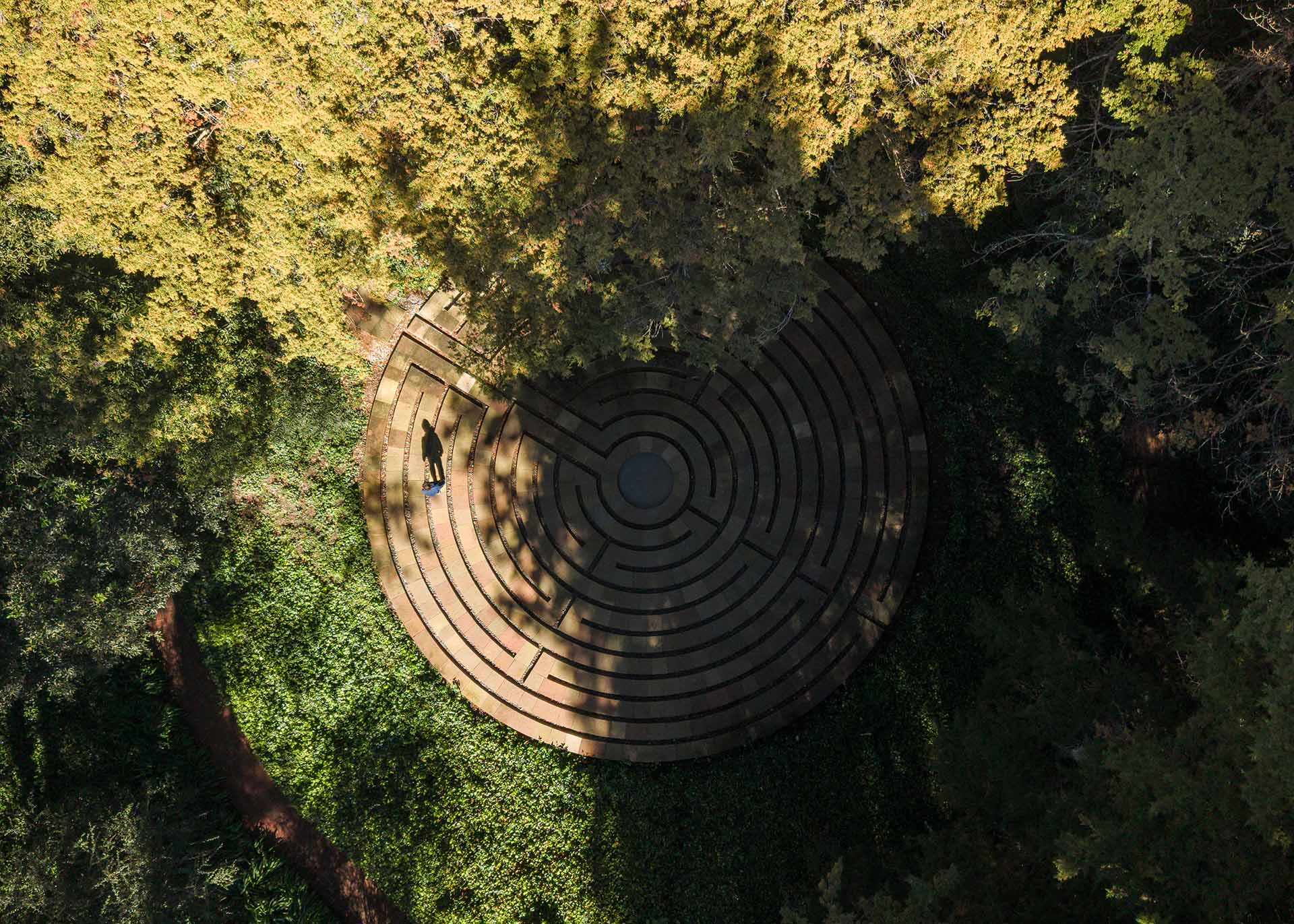
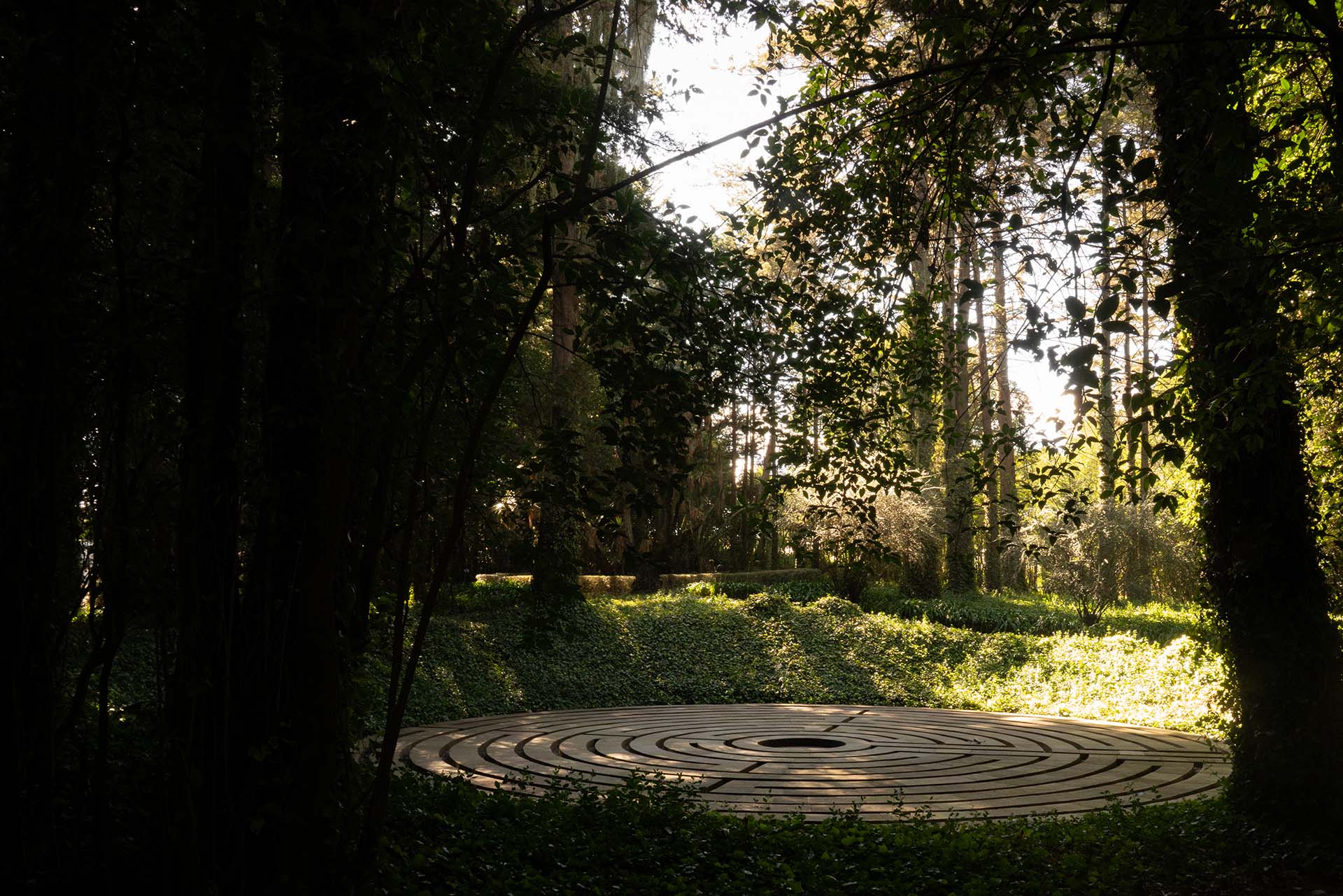
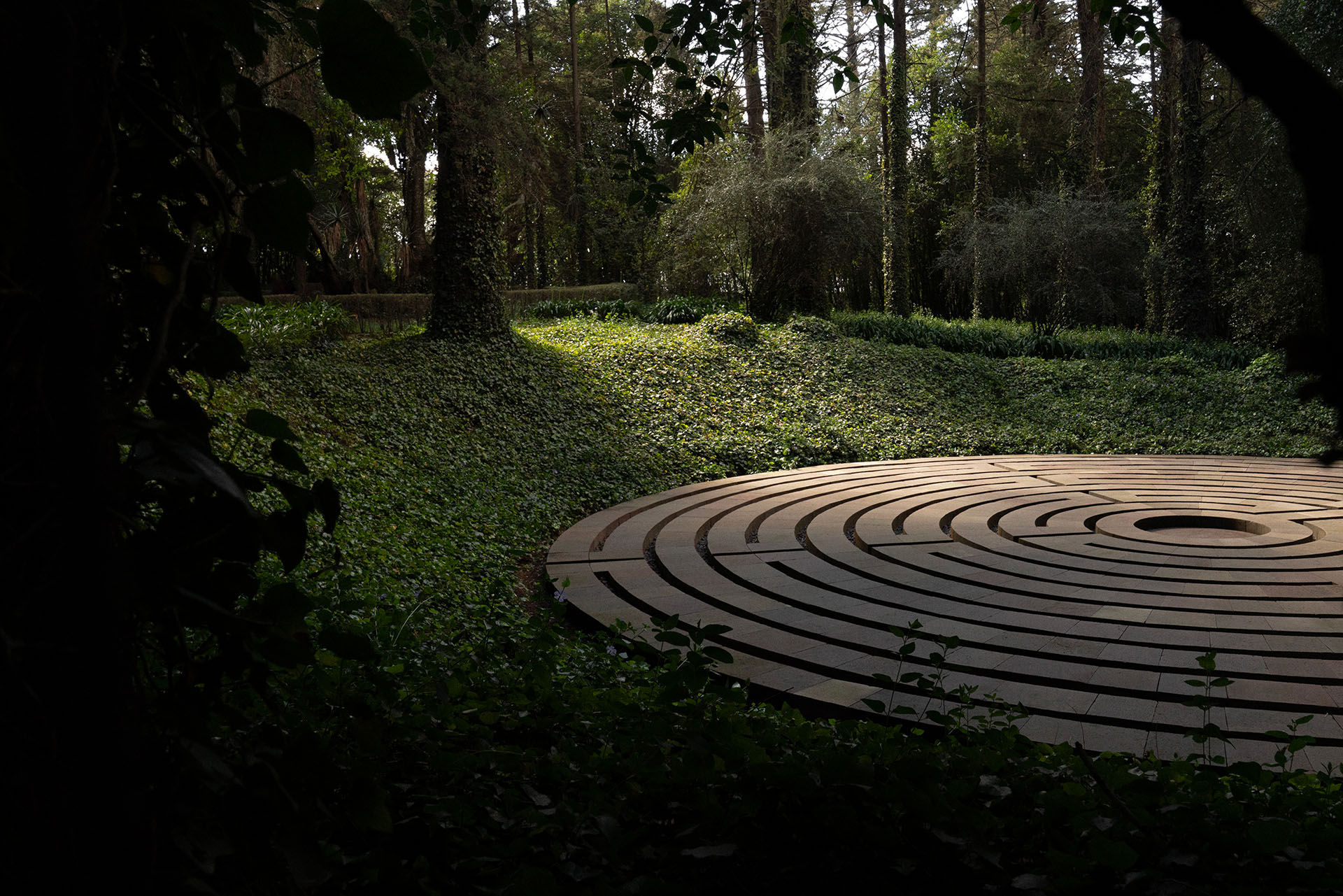
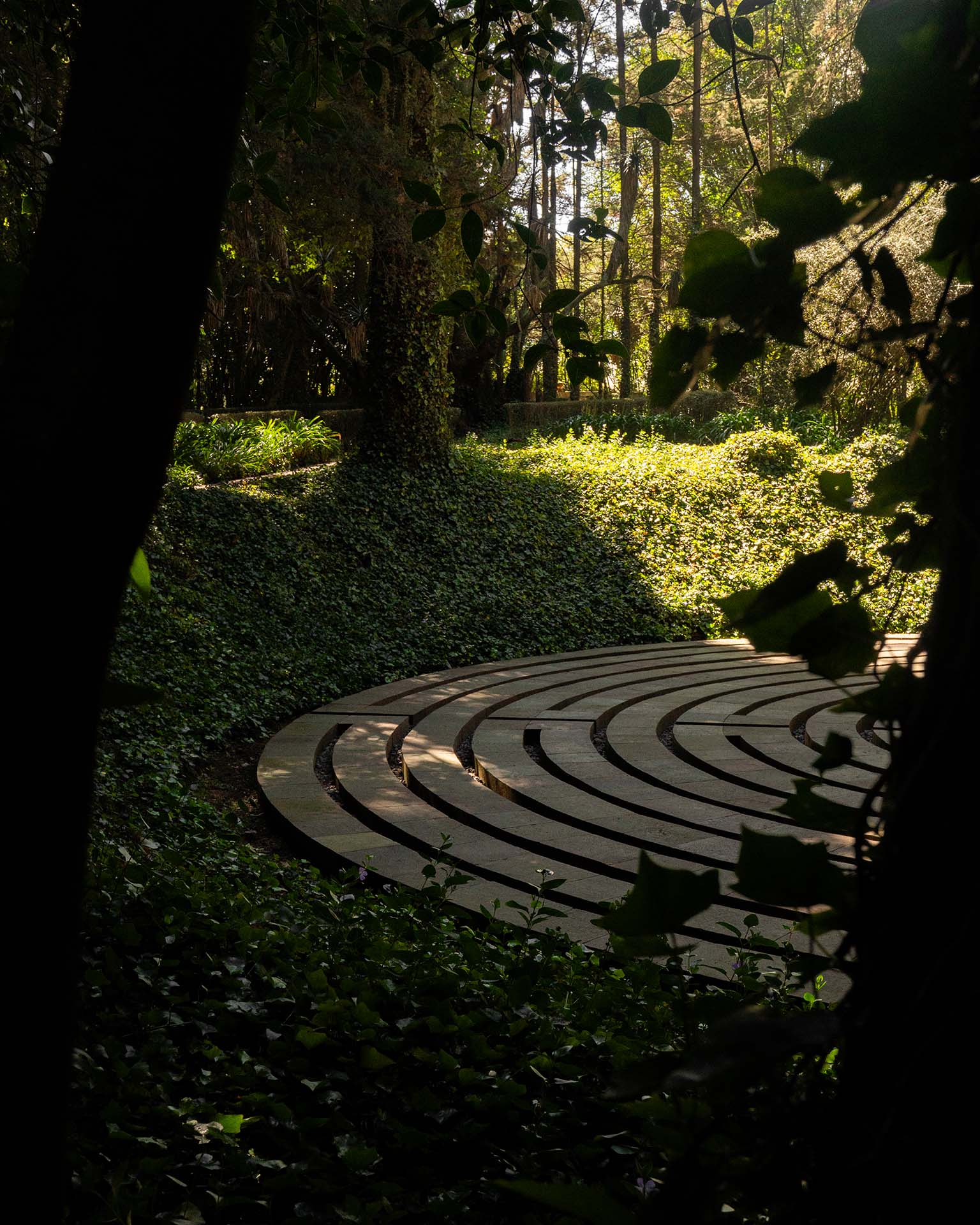
The construction of the Chartres labyrinth at Hacienda La Gavia, in Mexico, was conceived as an exercise in articulating space, history, and bodily movement. The project began with an analysis of the hacienda’s natural and architectural context, with the aim of integrating the labyrinth into the existing landscape without imposing a dominant formal gesture.
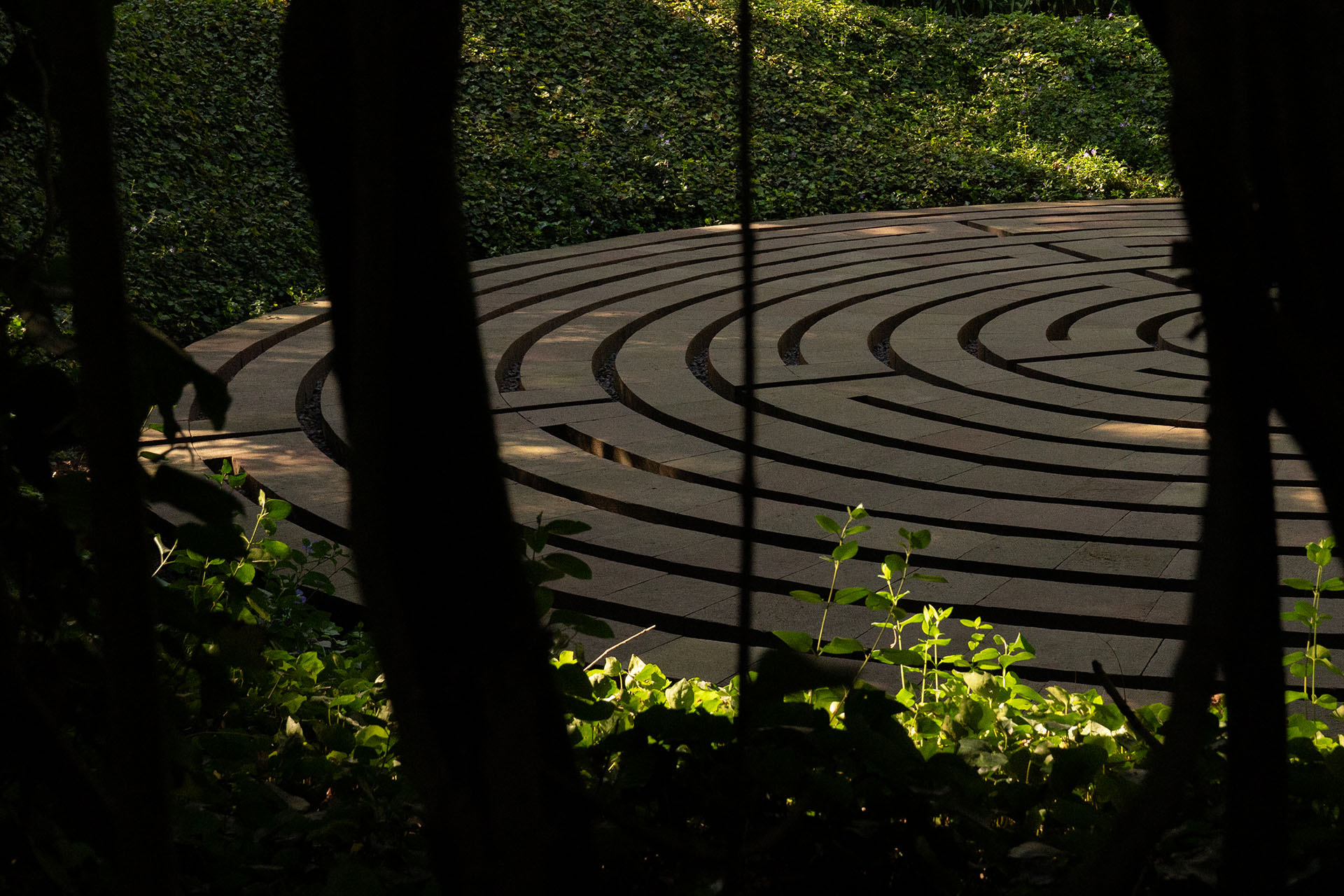
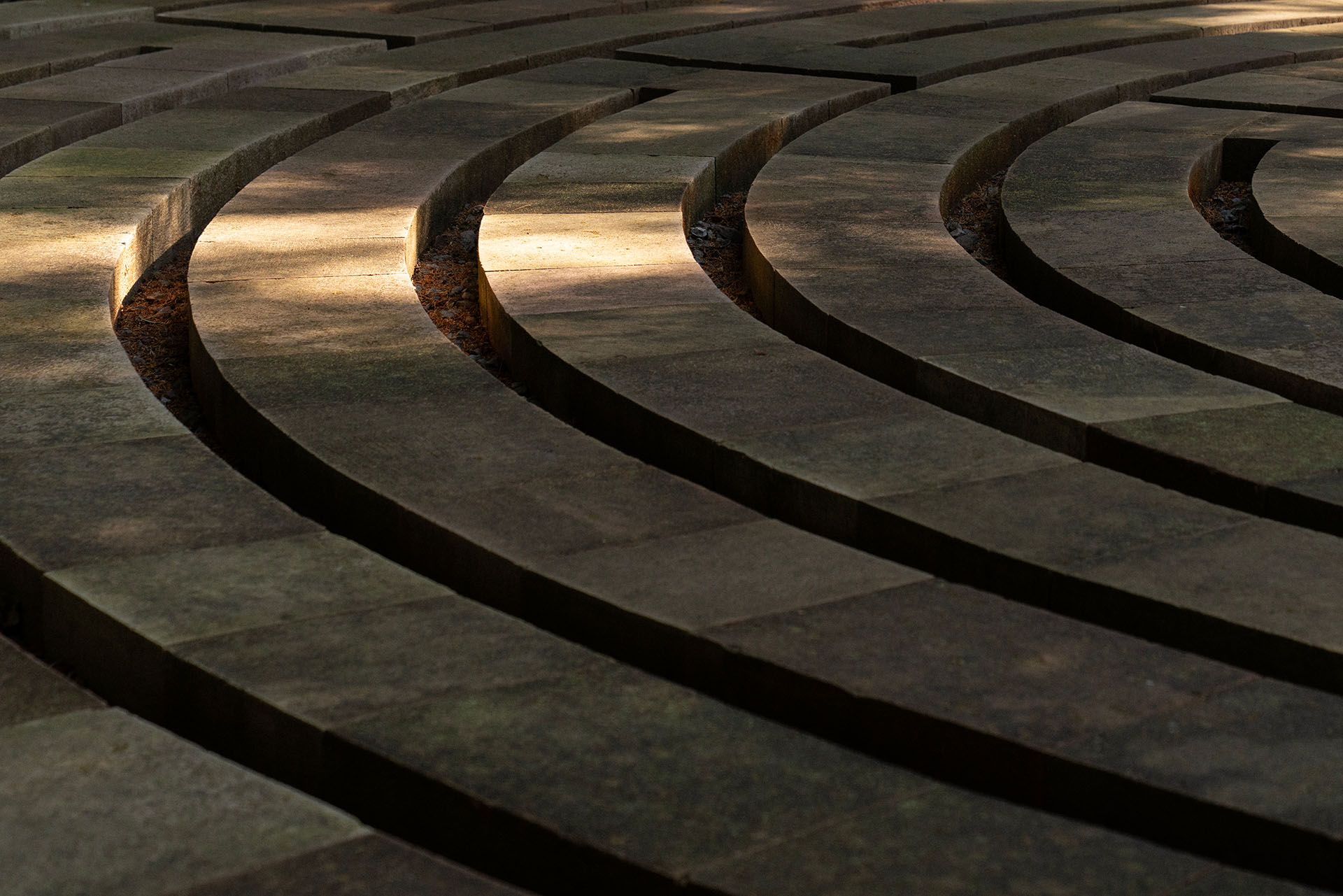
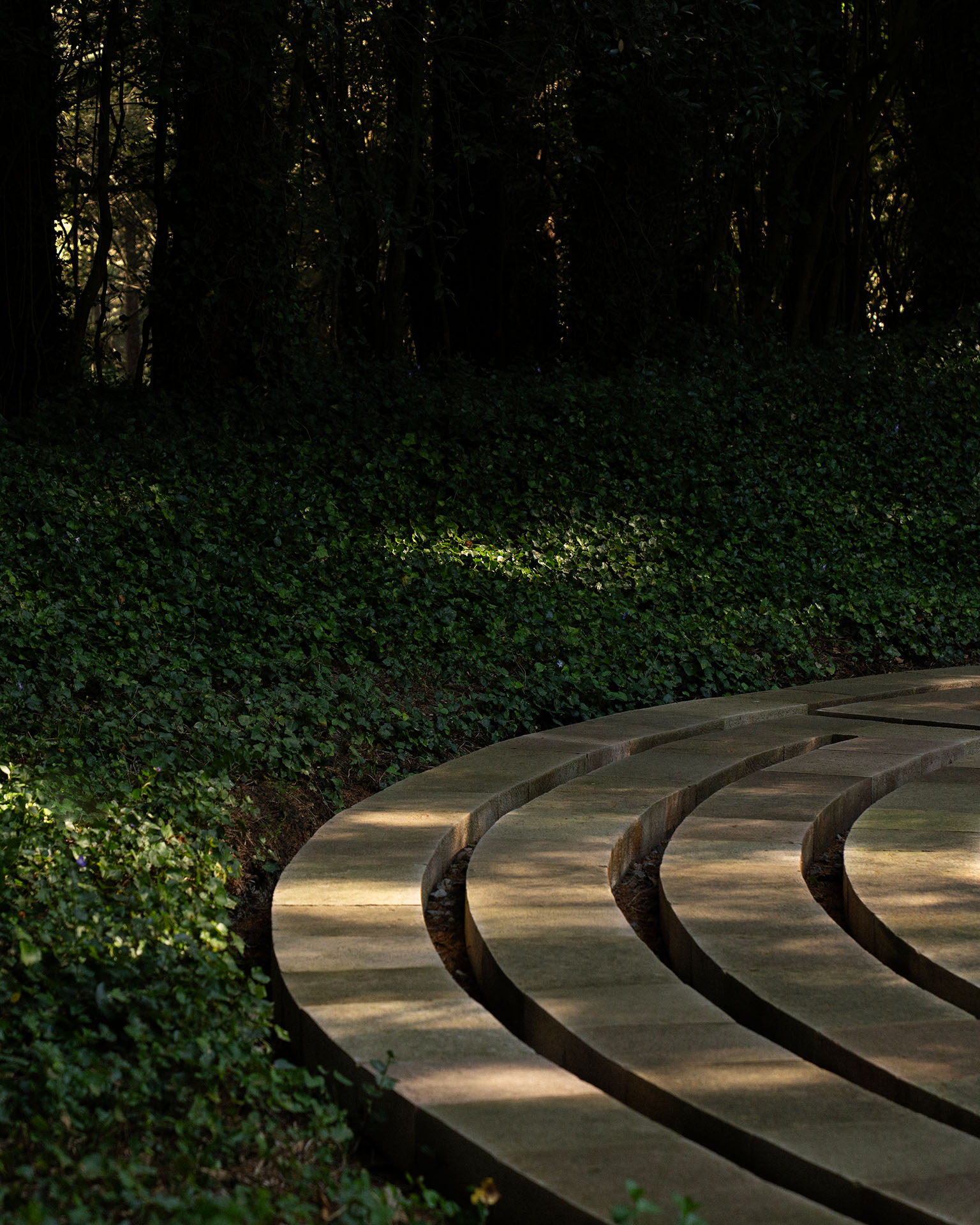
The labyrinth’s path was constructed using cantera stone, a traditional material that establishes a direct relationship with the historical building techniques of the hacienda and the region. The use of cantera clearly defines the route while contributing qualities of weight, texture, and permanence, reinforcing an experience of conscious and physical movement. Continuous contact with the material intensifies the relationship between the body, the terrain, and temporality.
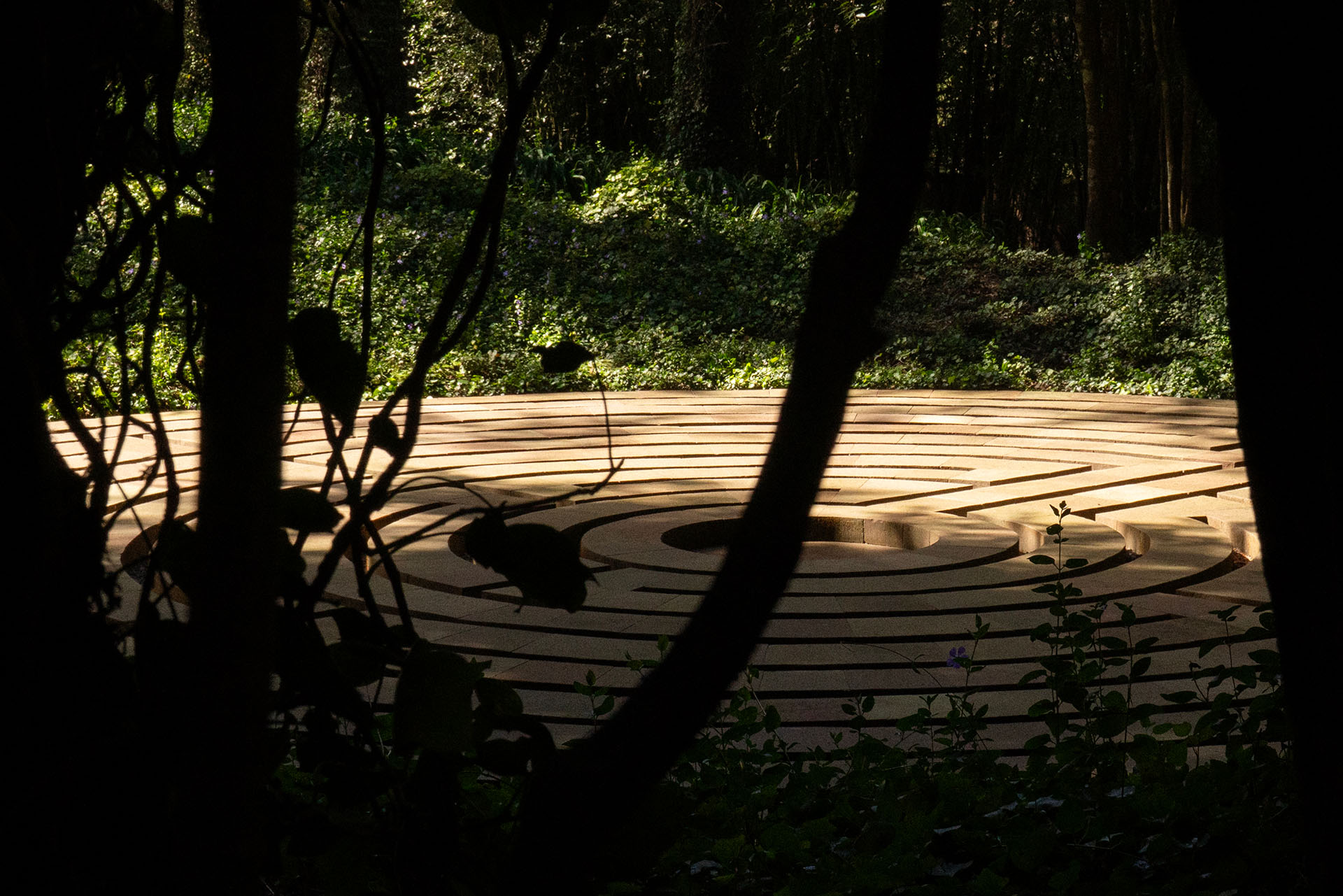
The layout of the labyrinth, based on the Chartres model, follows the logic of a single, continuous path oriented toward a meditative experience rather than the resolution of a navigational problem. In this sense, the labyrinth functions as a spatial device that encourages slow exploration, attentiveness to the surroundings, and a temporary suspension of linear directionality. During the construction process, the initial design was adjusted to the specific conditions of the site, allowing the project to be shaped both by its conceptual framework and by the physical characteristics of the terrain.
The result is a space that articulates both material and symbolic dimensions of movement. Reaching the center of the labyrinth represents the completion of a physical journey and the culmination of an introspective experience, through which the act of walking redefines the user’s relationship to space and its historical context. In this way, the cantera labyrinth at Hacienda La Gavia is configured as a place of passage and contemplation, where walking becomes a critical mode of inhabiting the landscape.
Surface: 200 m2
Year: 2026
Team: Nitzia Reyes, Emilio Valerio, José Ignacio Vargas
Fotos: José Ignacio Vargas
The construction of the Chartres labyrinth at Hacienda La Gavia, in Mexico, was conceived as an exercise in articulating space, history, and bodily movement. The project began with an analysis of the hacienda’s natural and architectural context, with the aim of integrating the labyrinth into the existing landscape without imposing a dominant formal gesture.
The labyrinth’s path was constructed using cantera stone, a traditional material that establishes a direct relationship with the historical building techniques of the hacienda and the region. The use of cantera clearly defines the route while contributing qualities of weight, texture, and permanence, reinforcing an experience of conscious and physical movement. Continuous contact with the material intensifies the relationship between the body, the terrain, and temporality.
The layout of the labyrinth, based on the Chartres model, follows the logic of a single, continuous path oriented toward a meditative experience rather than the resolution of a navigational problem. In this sense, the labyrinth functions as a spatial device that encourages slow exploration, attentiveness to the surroundings, and a temporary suspension of linear directionality. During the construction process, the initial design was adjusted to the specific conditions of the site, allowing the project to be shaped both by its conceptual framework and by the physical characteristics of the terrain.
The result is a space that articulates both material and symbolic dimensions of movement. Reaching the center of the labyrinth represents the completion of a physical journey and the culmination of an introspective experience, through which the act of walking redefines the user’s relationship to space and its historical context. In this way, the cantera labyrinth at Hacienda La Gavia is configured as a place of passage and contemplation, where walking becomes a critical mode of inhabiting the landscape.